
US Drug Test Centers Blog
Marijuana Was Rescheduled. Does That Change Your Drug Test?
If you’ve seen the headlines this year, you might think marijuana is now federally legal, and drug tests for it are on the way out. Neither one is true. We get this question every week from employers and from people about to take a test, so let's clear it up.
What Actually Happened in 2026
In April 2026, the U.S. Department of Justice issued an order that moved two specific groups of marijuana products from Schedule I to Schedule III under federal law:
-
Drug products made with marijuana that the FDA has approved
-
Marijuana covered by a state-issued medical marijuana license
That is it. It was not a blanket change for all marijuana. Recreational marijuana, and marijuana that is not tied to an FDA-approved product or a state medical license, still sits in Schedule I.
The government also opened a separate hearing on June 29, 2026 to look at moving all marijuana to Schedule III. That process has since been paused, so as of this fall, the broader change has not happened.
Rescheduling Is Not the Same As Legalization
This is the part most people miss. Schedule III is a category for drugs that the federal government says have some accepted medical use but still need to be controlled. Many prescription medications are in Schedule III. They are still controlled substances, and you still cannot use them however you like.
Moving some marijuana to Schedule III changes how the federal government classifies it. It does not make marijuana legal for recreational use, and it does not tell employers to stop testing for it.
What This Means If You Drive a Truck, Fly, or Work in Transportation
If your job falls under the Department of Transportation (DOT), nothing has changed for you. DOT has been clear that its drug testing rules stay the same until the rescheduling process is fully complete.
That means:
-
DOT drug tests still include marijuana.
-
A medical marijuana card does not excuse a positive DOT test.
-
An FDA-approved marijuana product is not an exception under DOT rules either.
-
A confirmed positive still removes you from safety-sensitive work.
For commercial drivers, a positive test is also reported to the FMCSA Drug and Alcohol Clearinghouse, and that can put your CDL at risk. More on that in our Clearinghouse blog.
What This Means for Regular Workplaces
If your employer is not DOT-regulated, your company's drug testing policy and your state's laws decide what happens. The April 2026 order did not address workplace drug testing at all.
So a private company can still:
-
Test applicants and team members for marijuana, where state law allows it
-
Keep a zero-tolerance policy for marijuana at work
-
Act on a positive test for someone who is impaired on the job
Some states already limit how employers use marijuana test results, especially for pre-employment tests. Those state rules did not change because of rescheduling. If you want to know where your state stands, read our blog on testing for marijuana in states where it is legal.
Why Employers Are Still Testing
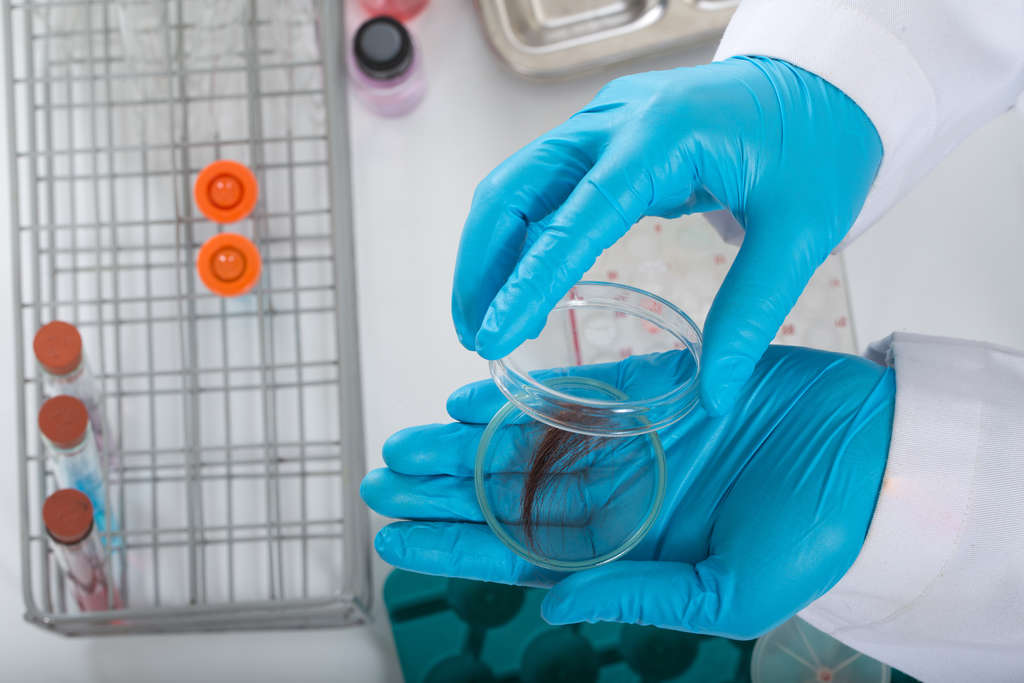
Marijuana is still the most commonly detected drug in workplace testing. The 2026 Quest Diagnostics Drug Testing Index found that marijuana showed up in 4.4% of urine tests, 11.1% of mouth swab tests, and 15.1% of hair tests across the general U.S. workforce in 2025. Those numbers have been climbing for years.
For employers, the question has never been whether marijuana is legal. The question is whether someone is safe to do the job. A forklift driver, a nurse, or a bus driver who is impaired is a risk no matter what the federal schedule says.
What Employers Should Do Right Now
You do not need to overhaul your program. You should check a few things:
-
Read your policy. Make sure it says what you test for and what happens after a positive result. Vague language causes problems.
-
Know your state rules. Some states protect off-duty marijuana use for certain jobs. Your policy needs to match.
-
Separate DOT and non-DOT testing. If you have both kinds of team members, the rules for each group are different.
-
Train your supervisors. Reasonable suspicion training helps supervisors spot impairment and document it the right way.
How US Drug Test Centers Can Help
US Drug Test Centers has been a third-party administrator for over 10 years, with more than 20,000 collection sites nationwide. We help employers set up DOT and non-DOT testing programs, write drug-free workplace policies, and keep up with changes like this one. We also help individuals who just need a test for themselves.
Have a question about your program or your test? Call us at 866-566-0261 or visit www.usdrugtestcenters.com.